Golf lifestyle and culture
Golf transcends the boundaries of mere sport. It represents a unique convergence of athletic pursuit, social interaction, business networking, and cultural tradition that has evolved over centuries. Understanding golf lifestyle means recognizing how the game shapes relationships, influences fashion, creates exclusive communities, and serves as a backdrop for both leisure and professional advancement.
Whether you’re considering membership at a private club, planning a golf vacation with friends of varying skill levels, or navigating the unwritten rules of a corporate outing, the cultural dimensions of golf can feel as complex as mastering the swing itself. This comprehensive exploration examines the essential aspects that define golf culture today, from the evolution of dress codes and etiquette to the economics of membership and the growing emphasis on inclusivity.
The Social Fabric of Golf: Etiquette and Networking
Golf etiquette extends far beyond knowing when to remain quiet during someone’s backswing. It represents a sophisticated social code that facilitates meaningful connections while maintaining the game’s integrity and pace.
Networking on the Course
The golf course serves as an unparalleled networking environment where four to five hours of unhurried conversation can forge stronger professional relationships than dozens of conference room meetings. The key lies in understanding that golf networking requires subtlety—forcing business discussions too early or aggressively can backfire. Experienced players typically dedicate the front nine to casual conversation, allowing rapport to develop naturally before business topics emerge organically on the back nine.
When you’re invited to play with a superior or important client, accepting graciously while being mindful of your role becomes essential. Playing with the boss demands a delicate balance: perform competently without overshadowing, maintain positive energy regardless of your score, and demonstrate good sportsmanship consistently. These situations reveal character in ways that office environments cannot.
The Unwritten Rules
Certain golf etiquette principles carry particular weight in social contexts. Handicap honesty stands as perhaps the most sacred, as an inflated or deflated handicap undermines the fundamental fairness that makes golf unique among sports. Misrepresenting your ability, whether intentionally or through neglect, damages your reputation far more than any poor round could.
The 19th hole—the traditional post-round gathering at the clubhouse bar—represents where many of golf’s most important social interactions occur. This informal setting allows players to review the round, share stories, and deepen connections. Understanding the rhythm of these gatherings, from buying rounds to knowing when conversation should shift from golf to other topics, demonstrates cultural fluency.
Golf Club Membership: Understanding the Lifestyle Investment
Private club membership represents far more than access to a golf course. It constitutes entry into a community with its own economics, expectations, and social dynamics that prospective members should understand thoroughly before committing.
The Financial Framework
Club membership involves multiple financial layers that extend well beyond the visible initiation fee. Understanding this complete picture helps you make informed decisions:
- Initiation fees can range from modest four-figure sums at community clubs to six or even seven figures at prestigious establishments, often functioning as both entry barrier and financial foundation for club operations
- Monthly dues covering course maintenance, staff salaries, and facility upkeep that represent the ongoing cost of membership
- Food and beverage minimums requiring members to spend predetermined amounts at club dining facilities, effectively guaranteeing restaurant viability
- Assessment risks that allow clubs to charge additional fees for capital improvements or unexpected expenses, creating potential financial obligations beyond budgeted costs
Family Considerations and Social Vetting
Modern clubs increasingly emphasize family amenities—swimming pools, tennis courts, children’s programs, and casual dining options—that transform golf clubs into comprehensive lifestyle centers. This evolution reflects changing member priorities, particularly among younger demographics who view clubs as community hubs rather than exclusively golf-focused.
The vetting process varies dramatically across clubs, from casual interviews at relaxed facilities to extensive sponsor requirements and multiple committee meetings at traditional establishments. This process serves dual purposes: ensuring financial stability and cultural fit. Prospective members should recognize that clubs seek individuals who will contribute positively to the community, whether through volunteering, participating in events, or simply embodying the club’s values.
Dress Codes and Style: Tradition Meets Modern Expression
Golf apparel occupies a fascinating intersection where athletic functionality, fashion sensibility, and respect for tradition must coexist. The ongoing evolution of golf style reflects broader cultural shifts while navigating the tension between heritage and contemporary expression.
The Dress Code Evolution
Golf dress codes have undergone remarkable transformation in recent years. Many clubs have embraced dress code relaxation that reflects changing cultural norms while maintaining a standard of presentation. Denim, once universally forbidden, now appears at numerous facilities. Collarless shirts designed specifically for golf have gained acceptance. Athletic-style footwear that would have been unthinkable previously now graces fairways worldwide.
This evolution isn’t universal, however. Understanding your venue remains crucial. Championship courses and traditional private clubs often maintain stricter standards, while resort courses and municipal facilities typically adopt more relaxed approaches. The key lies in researching expectations beforehand rather than assuming based on one facility’s standards.
Balancing Function and Fashion
Contemporary golf apparel navigates competing demands between functional fabrics engineered for performance and style considerations that extend beyond the course. Moisture-wicking materials, UV protection, and stretch fabrics enhance comfort and performance, while design elements allow golfers to express personal style.
The retro trend has brought classic styles back into prominence—persimmon-era aesthetics, vintage color palettes, and throwback logos appeal to golfers seeking connection with the game’s heritage. Brand prestige continues influencing purchasing decisions, though increasingly sophisticated consumers now evaluate value propositions more critically than in previous eras.
Clubhouse appropriateness presents its own considerations. Apparel suitable for the course may not meet dining room standards, particularly for evening functions. Many facilities require jacket and collared shirt for formal dining areas, while maintaining different standards for casual spaces. Footwear versatility—selecting shoes appropriate for both golf and social settings—solves the practical challenge of transitioning from course to clubhouse seamlessly.
The Complete Golf Experience: Services and Amenities
Premium golf facilities distinguish themselves not merely through course design but via the comprehensive service culture that frames the entire experience. These elements transform a round of golf into a memorable occasion.
Service Excellence Standards
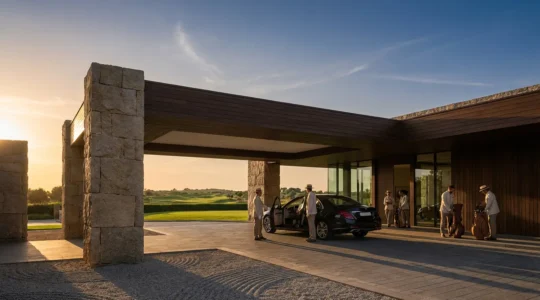
Professional bag drop etiquette sets the tone from arrival. Attentive staff who greet members by name, handle equipment with care, and proactively address needs create immediate positive impressions. Locker room service extends this attention to detail—well-maintained facilities, quality amenities, and staff who anticipate rather than simply respond to requests separate exceptional clubs from merely adequate ones.
Dining quality has emerged as a critical membership consideration. Clubs increasingly recognize that culinary programs must compete with external restaurant options. Successful facilities balance traditional clubhouse fare with contemporary cuisine, accommodate dietary preferences thoughtfully, and maintain service standards worthy of the premium pricing membership entails.
Beyond Golf Amenities
Après-golf amenities significantly influence the overall experience and membership value proposition. Practice facilities, fitness centers, spa services, swimming complexes, and tennis programs create opportunities for family engagement and non-golf recreation. These amenities also facilitate social connection among members who may share interests beyond golf.
Concierge services at destination facilities and top-tier private clubs handle everything from tee time coordination to travel arrangements, restaurant reservations, and special event planning. This comprehensive approach to member and guest treatment reflects the lifestyle positioning of premium golf facilities.
Corporate Golf and Spectator Culture
Professional tournament attendance and corporate golf outings represent distinct facets of golf culture with their own protocols, economics, and social dynamics.
The Tournament Experience
Attending professional golf events combines sport spectating with social occasion in unique ways. Understanding best viewing spots requires balancing proximity to player action against comfort and amenity access. Par-three holes offer contained viewing of complete shots, while difficult par-fours showcase recovery skills and course management under pressure.
Dress codes for spectators have relaxed considerably, though maintaining appropriate presentation remains advisable, particularly at major championships or exclusive corporate hospitality areas. Comfortable walking shoes matter more than fashion statements given the distances covered during tournament days.
Corporate Golf Dynamics
Corporate golf outings serve multiple purposes—client entertainment, employee appreciation, and networking facilitation among them. Selecting the right package involves balancing cost versus benefit analysis considerations: prestigious venues impress but command premium pricing, while excellent regional facilities may offer superior value for many objectives.
Networking etiquette in corporate golf contexts demands reading social cues carefully. Some events emphasize competition and golf performance, while others use golf merely as backdrop for relationship building. Understanding the event’s true purpose helps you navigate appropriately.
Cultural Evolution: How Golf is Changing
Golf culture finds itself in a period of significant transformation as traditional values encounter contemporary expectations around inclusivity, technology, and accessibility.
Inclusivity and Modernization
Gender inclusivity has progressed substantially, though unevenly across facilities. Many clubs have eliminated gender-specific tee time restrictions, created equitable governance structures, and fostered welcoming environments for all players. However, some traditional bastions maintain outdated policies that increasingly face social and economic pressure to evolve.
Smartphone usage on courses exemplifies the tension between tradition and modernity. While many purists advocate for device-free golf as respite from digital connectivity, GPS applications, swing analysis tools, and instant score sharing have become integral to many players’ experiences. Progressive facilities establish clear guidelines that balance both perspectives.
Music on course represents another cultural flashpoint. Younger players often view music as enhancing enjoyment, while traditionalists consider it incompatible with golf’s contemplative nature. Many courses have established policies permitting personal audio at reasonable volumes during non-peak times while prohibiting it during tournaments or busy periods.
Respecting Heritage While Embracing Change
The evolution of the game’s values need not abandon golf’s rich heritage. The most successful cultural adaptations honor tradition while removing barriers that excluded potential participants unnecessarily. Maintaining core principles—integrity, courtesy, respect for the course—while updating superficial elements like dress codes or technological integration represents the path forward for golf culture.
Planning the Perfect Golf Vacation
Golf travel presents unique planning considerations, particularly when coordinating groups with varying ability levels and diverse expectations.
Managing Mixed-Ability Group Dynamics
Vacation golf with friends or family of different skill levels requires thoughtful course selection and format choices. Course difficulty ratings provide useful guidance, though understanding that slope and rating numbers measure different aspects helps with selection. Courses offering multiple tee box options allow stronger players to face appropriate challenges while ensuring newer players aren’t overwhelmed.
Format selection dramatically influences enjoyment for mixed-ability groups. Scramble formats allow everyone to contribute regardless of skill level, while individual stroke play can frustrate beginners and slow pace for experienced players. Many successful golf vacations incorporate both competitive and casual rounds to satisfy different preferences.
Practical Vacation Considerations
Rental club quality varies enormously across facilities. Premium destinations typically offer recent model equipment from major manufacturers, while budget facilities may provide dated clubs in questionable condition. Confirming rental quality before traveling helps you decide whether shipping your own equipment justifies the expense and hassle.
The twilight rate advantage offers significant value for budget-conscious golf travelers. Playing late afternoon rounds at discounted rates works particularly well during longer summer days, though acceptance that you may not finish all eighteen holes becomes necessary. This trade-off—reduced cost for potential incomplete rounds—appeals to many vacation golfers prioritizing quantity of golf over completing every hole.
Understanding the complete golf lifestyle means recognizing how these various elements—social etiquette, club membership dynamics, evolving cultural values, style considerations, service expectations, and travel planning—interconnect to create the rich, multifaceted experience that makes golf far more than just a game played with clubs and a ball.
The White Glove Experience: What Defines True Refinement in a Golf Club?
A perfectly manicured course is merely the price of entry, not the mark of distinction. True refinement is a pervasive ecosystem of anticipatory service, not a checklist of amenities. It is measured in the flawless execution of personalized details and…
Read more
Look Good, Play Good: How Elegant Golf Fashion Boosts Confidence
True golf elegance is more than aesthetics; it’s a strategic tool that directly impacts confidence and on-course performance. Classic styles are being reinvented with advanced performance fabrics, offering the best of both worlds. Versatility is paramount, with modern designs transitioning…
Read more
Old Guard vs New Wave: How Golf Culture Is Evolving for the Modern Era
Contrary to the belief that golf’s traditions are being erased, they are actually being reinterpreted to preserve the game’s core values for a new, diverse generation of players. Modern fashion like hoodies and joggers reflects a demographic shift toward younger,…
Read more
Golf as a Business Tool: How to Close Deals on the Fairway?
Using golf to close deals isn’t about your handicap; it’s a strategic four-hour ‘character audit’ where integrity and patience yield greater returns than a low score. Trust is built by strategically delaying business discussions until the environment is right—typically after…
Read more
Private Membership: Is the Cost of a Country Club Justified for Your Lifestyle?
Contrary to popular belief, a country club membership is not a simple expense to be justified, but a complex lifestyle asset that demands rigorous financial and personal due diligence. The true cost extends far beyond initiation fees and monthly dues…
Read more
How VIP Hospitality at Golf Tournaments Generates High-Value Business Deals
VIP golf hospitality isn’t an entertainment expense; it’s a strategic investment in a high-conversion sales environment designed to create tangible relationship assets. Success hinges on choosing the right environment (private chalet vs. shared skybox) to project the desired brand impression…
Read more
How to Choose a Resort Course That Satisfies Both Scratch Players and Beginners?
Planning a golf trip for pros and novices doesn’t have to be a compromise; it is an opportunity to create a shared, memorable experience. Focus on “course elasticity”—a design with multiple tee boxes and varied layouts—over raw championship difficulty. Leverage…
Read more