
True golf elegance is more than aesthetics; it’s a strategic tool that directly impacts confidence and on-course performance.
- Classic styles are being reinvented with advanced performance fabrics, offering the best of both worlds.
- Versatility is paramount, with modern designs transitioning seamlessly from the final putt to the clubhouse dinner.
Recommendation: Curate your golf wardrobe not just to fit in, but to build a personal “on-course persona” that empowers your game.
The walk to the first tee is a ritual. It’s where the mental game begins, long before the first swing is taken. For the style-conscious player, this is also where confidence is built. For decades, golf fashion was defined by a rigid set of rules—a uniform of conformity. We’re often told to simply tuck in our shirts, wear the right shorts, and stick to the brands seen on tour. But what if the secret to a better game isn’t just in following the dress code, but in mastering it?
The conversation is shifting. The real question is no longer, “Am I following the rules?” but rather, “Does my attire empower me?” This is the new philosophy of golf elegance: viewing your wardrobe as a form of psychological armor. It’s a deliberate curation of pieces that blend heritage, technology, and personal identity to create a palpable sense of self-assurance. It’s about crafting an on-course persona that feels authentic and formidable.
This guide moves beyond the basics. We will explore how to invest in luxury that performs, how to embrace classic style without sacrificing modern comfort, and how to build a versatile wardrobe that exudes class both on and off the fairway. It’s time to dress not just for the game, but for the confidence you want to project.
Contents: The Art of On-Course Elegance
- Luxury Labels: Why Are Golfers Paying $100 for a Polo Shirt?
- Cotton vs Performance: Can You Look Classic Without Sweating Through?
- The Cardigan Return: How Vintage Styles Are Making a Comeback?
- Dinner Ready: Transitioning from the 18th Green to the Dining Room?
- Kiltie Shoes: Are Classic Wingtips Too Stiff for Modern Swings?
- Heels on Grass: Avoiding Fashion Mistakes in the VIP Tent
- Hoodies and Joggers: Are High-End Clubs Accepting Modern Fashion?
- Layering for Golf: How to Stay Dry Without Restricting Your Swing?
Luxury Labels: Why Are Golfers Paying $100 for a Polo Shirt?
The price tag on a luxury golf polo often raises eyebrows, but discerning players understand it’s an investment, not an expense. This isn’t about flaunting a logo; it’s about acquiring a piece of your psychological armor. A high-end polo from a brand like Callaway, whose premium collection launched in 2024, offers a superior fit that moves with your body, technical fabrics that manage moisture and temperature, and a refined aesthetic that looks sharp from the first drive to the final handshake. These are not mere shirts; they are performance garments engineered for confidence.
The market validates this shift in mindset. A detailed market analysis reveals that premium golf clothing is experiencing a projected 5.71% compound annual growth rate. This trend is fueled by players who recognize that the tactile feel of a premium fabric and the impeccable cut of a well-designed garment contribute directly to a positive mental state. When you feel unrestricted, comfortable, and elegant, you are free to focus entirely on your swing. Paying a premium is a tactical decision to eliminate distraction and elevate self-belief.
As Fortune Business Insights notes in their “Golf Apparel Market Analysis Report,” this trend is set to continue, especially with a growing number of high-net-worth individuals entering the sport. They seek an experience that marries performance with sophistication. The $100 polo is a ticket to that experience—a tangible piece of the “look good, play good” philosophy.
Cotton vs Performance: Can You Look Classic Without Sweating Through?
The classic image of a golfer often features a crisp, cotton polo. It’s a timeless look, but one that comes with a significant performance drawback: moisture. Cotton absorbs sweat, becoming heavy, restrictive, and uncomfortable. In the modern game, where performance is paramount, looking classic should not mean sacrificing comfort. This is where the heritage-tech synthesis comes into play, blending timeless aesthetics with cutting-edge fabric science.
Today’s performance fabrics, which now hold a dominant market share, are engineered to solve cotton’s flaws. Materials like technical polyester are designed to be hydrophobic, meaning they wick moisture away from the skin to the fabric’s surface, where it can evaporate quickly. This keeps you dry, cool, and focused. As market analysis shows, synthetic performance fabrics are projected to account for over 47% of the golf apparel market, a testament to their superior functionality.
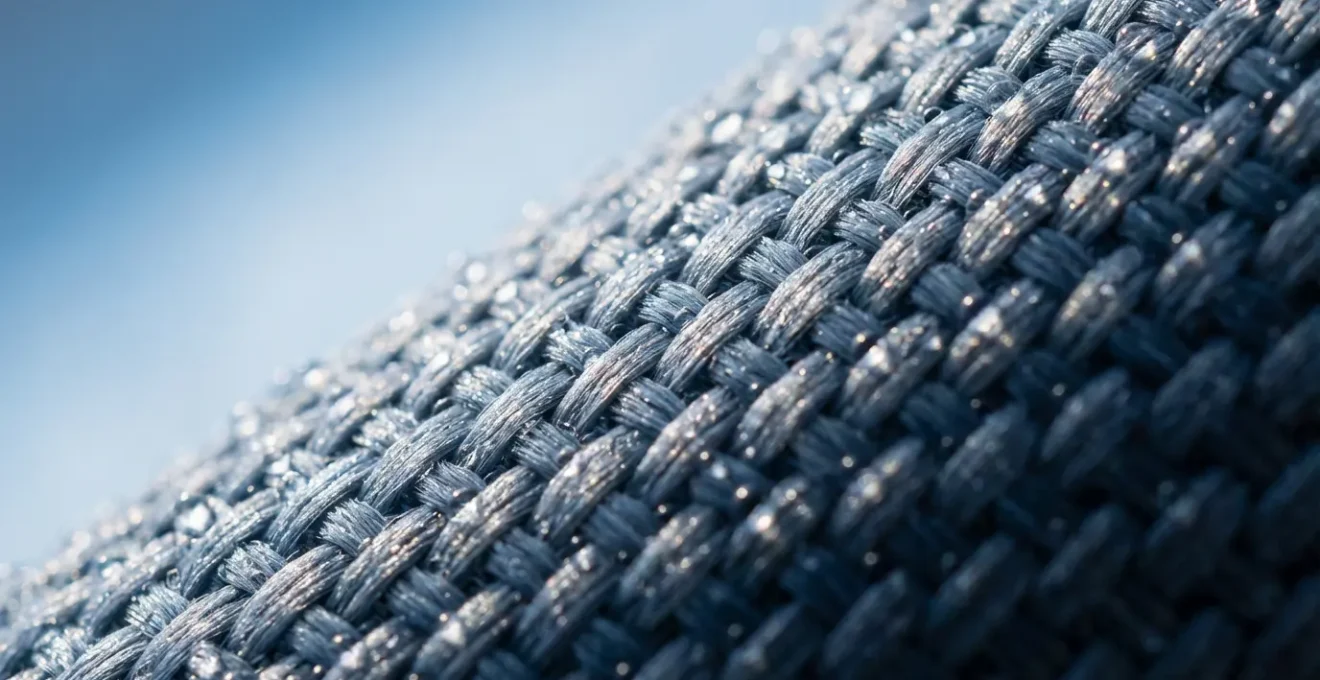
The difference is not just about feel; it’s about maintaining a polished appearance throughout your round. A sweat-soaked cotton shirt looks anything but elegant. A performance polo, by contrast, maintains its shape and sharp look, even under pressure. The choice is clear for the modern, style-conscious player.
| Property | Cotton | Performance Polyester |
|---|---|---|
| Moisture-Wicking | Poor – holds sweat like a sponge | Excellent – transfers moisture to outer layer |
| Drying Speed | Slow | Quick-dry properties |
| Durability | Moderate | High – wrinkle-resistant |
| Breathability | Good | Excellent with tech enhancements |
The Cardigan Return: How Vintage Styles Are Making a Comeback?
Golf fashion is experiencing a renaissance of heritage style, with the classic cardigan leading the charge. This isn’t simple nostalgia; it’s a sophisticated movement that reinterprets vintage silhouettes for the modern player. Brands are looking to the archives, reviving timeless pieces like pleated trousers, ribbed collars, and varsity-inspired sweaters, but crafting them with breathable, stretch-infused fabrics. The result is a look that is both familiar and fresh, offering a powerful way to build a unique on-course persona.
This trend is powered by culture-forward labels that are redefining the boundaries of golf attire. As noted by Variety in its analysis of top golf brands, labels like Malbon are less concerned with traditional dress codes and more focused on cultural relevance, collaborating with fashion houses like Jimmy Choo and being worn by artists like J. Cole. This brings a new energy to the course, where style becomes a form of self-expression rather than conformity. The cardigan is no longer just a sweater; it’s a statement piece that signals a deep appreciation for the game’s history, viewed through a contemporary lens.
This comeback is a perfect example of the “heritage-tech synthesis” in action. The aesthetic is pure vintage cool, but the feel is entirely modern. These new-wave cardigans and sweaters are lightweight, allow for a full range of motion, and manage temperature effectively. They prove that a player can honor the classic elegance of golf’s golden era without ever compromising the athletic demands of today’s game.
Dinner Ready: Transitioning from the 18th Green to the Dining Room?
The modern golfer’s day rarely ends with the last putt. The 19th hole has evolved from a quick drink to a full dining experience, and a player’s wardrobe must evolve with it. The ultimate mark of a well-curated golf wardrobe is its versatility. The goal is to select pieces that are technically proficient on the course and stylistically appropriate for a sophisticated evening afterward. This “green-to-grill” capability is no longer a luxury; it’s a core principle of elegant golf fashion.
Achieving this seamless transition is about making smart, deliberate choices. It means favoring performance trousers with a five-pocket design that mimic the look of tailored chinos over traditional, baggy golf pants. It means choosing polos in solid, refined colors that pair as well with a blazer as they do with a driver. According to trend reports, this demand for adaptability is a major force in the market, as modern golf fashion trends show that pieces must now serve multiple functions. The “Weekender Edit”—a collection of performance polos, travel-ready layers, and clean sneakers—is becoming a staple for the style-conscious player.
Here is how to build a wardrobe that works as hard off the course as it does on it:
- Invest in hybrid trousers: Look for five-pocket performance pants in neutral colors like navy, grey, and khaki.
- Choose sophisticated tops: Select performance polos and lightweight quarter-zips in solid, versatile hues that avoid loud patterns.
- Opt for minimalist footwear: Many modern golf shoes feature spikeless designs and premium leather uppers that look like classic dress sneakers.
- Master the art of the third piece: A tailored, lightweight jacket or a refined quarter-zip can instantly elevate an on-course look for a dinner setting.
Kiltie Shoes: Are Classic Wingtips Too Stiff for Modern Swings?
The classic wingtip or kiltie golf shoe is an icon of sartorial elegance, but for years, players sacrificed performance for its timeless style. Traditional designs were often rigid, heavy, and ill-suited for the powerful, athletic torque of a modern golf swing. However, the contemporary golf footwear market has completely resolved this dilemma. Today, the choice is no longer between style and stability; it’s about finding the perfect fusion of both.
Brands specializing in “disruptive luxury,” such as G/FORE, have revolutionized the category. They combine heritage-inspired silhouettes with cutting-edge performance technology. Outwardly, the shoe may be a glossy leather wingtip with a bold, unexpected color, but internally, it’s a piece of high-performance equipment. This is the heritage-tech synthesis at its finest, delivering both an edgy aesthetic and the stability needed for a powerful swing.
The secret lies in advanced sole construction. As expert analysis of modern golf footwear confirms, today’s best classic-style shoes use a strategically stiff outer sole to maximize stability and power transfer during the swing. Simultaneously, they incorporate highly flexible, cushioned inner soles and midsoles that provide all-day comfort for walking 18 holes. This dual-layered approach ensures that the foot is securely anchored during rotation while remaining comfortable and supported between shots. The classic wingtip is no longer too stiff; it’s been intelligently re-engineered for the modern game.
Heels on Grass: Avoiding Fashion Mistakes in the VIP Tent
The elegance of golf extends beyond the players on the fairway; it permeates the entire atmosphere of a tournament, especially within the exclusive confines of the VIP tent. For spectators, dressing the part is a sign of respect for the game and its traditions. However, the environment presents unique sartorial challenges. Navigating manicured lawns and soft turf requires a thoughtful approach to fashion, particularly when it comes to footwear.
The most common misstep is inappropriate footwear. Stiletto heels are a definitive “don’t,” as they sink into the grass, damage the pristine turf, and create instability for the wearer. The elegant and practical solution is a wedge or a block heel. These styles provide the desired height and sophistication while offering a wider base for stability, ensuring graceful movement across varied terrain. It’s a choice that is both chic and considerate of the course environment.

Beyond footwear, color choice and overall attire should be considered. While there’s more freedom for spectators than for players, it’s wise to opt for smart, resort-style elegance. Think sundresses, tailored trousers, or chic jumpsuits. It’s also a good practice to check the tournament’s website for any specific dress code or guidance on sponsor colors to avoid clashes. Ultimately, spectator fashion is about complementing the event’s sophisticated ambiance, not distracting from it.
Hoodies and Joggers: Are High-End Clubs Accepting Modern Fashion?
For generations, the very idea of a hoodie or a pair of joggers on a golf course—let alone at a high-end club—was unthinkable. Yet, the landscape of golf fashion is undergoing a seismic shift. Driven by a new generation of players and the pervasive influence of athleisure culture, these comfortable staples are no longer relegated to the gym. They are being reimagined with premium materials and tailored fits, challenging the old guard of club dress codes.
This evolution is partly fueled by changing demographics. The game is attracting a younger, more diverse audience, including a significant increase in female participation. According to the National Golf Foundation, there were 6.4 million female golfers in 2023, a 15% rise from 2019. This new wave of players brings fresh perspectives and a desire for apparel that reflects a modern, active lifestyle. Brands like Lululemon have capitalized on this, expanding their breathable, stretchy staples from the yoga studio to the golf course with pieces like the ABC Golf Trouser.
While some of the most traditional clubs remain resistant, many are adapting. The key is in the execution. We are not talking about baggy, sloppy sweats. The modern golf jogger is a tapered, well-fitted trouser made from technical, four-way stretch fabric. The modern golf hoodie is often a lightweight, streamlined mid-layer designed for athletic movement. These pieces blend sophisticated aesthetics with undeniable function, making a compelling case for their inclusion in the modern golf wardrobe. They represent a move toward a more inclusive and practical definition of on-course style.
Key Takeaways
- Elegance is performance: View your apparel choices as a strategic tool to build on-course confidence.
- Embrace the synthesis: The most sophisticated looks combine classic aesthetics with modern technical fabrics for the best of both worlds.
- Invest in versatility: Your golf wardrobe should transition seamlessly from the course to the clubhouse and beyond.
Layering for Golf: How to Stay Dry Without Restricting Your Swing?
A confident golfer is a comfortable golfer. There is nothing that shatters focus faster than feeling cold, wet, or restricted by your clothing. This is why mastering the art of layering is not just a practical skill but a crucial component of building your psychological armor. The goal is to create a system that adapts to changing weather conditions without adding bulk or hindering the rotational movement of your golf swing. The modern solution is a three-part system built from advanced performance fabrics.
The foundation of this system is a high-performance base layer. Unlike cotton, which traps moisture, these garments use specially designed threads to pull sweat away from the skin, keeping you dry and comfortable. The next level is the mid-layer, the engine of temperature regulation. The best mid-layers are made from a blend of performance polyester and elastane, providing warmth while allowing your skin to breathe. A critical feature is a smooth ‘antistick tricot backing’ that glides effortlessly over your base layer, preventing any catching or pulling during your swing.
Finally, the outer shell provides protection from wind and rain. Modern golf shells are marvels of engineering, offering robust weather resistance in a lightweight, stretchy package with articulated seams for a completely unrestricted swing. With the advancement of fabric technology, these layers can also include features like UPF 50+ sun protection, anti-odor treatments, and temperature-regulating yarns to create a truly comprehensive performance system.
Your Action Plan: The 3-Layer Golf System
- Select the Base Layer: Choose a snug-fitting shirt made from moisture-wicking fabrics with threads designed to draw moisture away from your skin.
- Choose the Mid-Layer: Find a piece made from a polyester/elastane blend that offers warmth and breathability, ideally with a smooth backing that won’t stick to your base layer.
- Select the Outer Shell: Invest in a wind and waterproof jacket that features four-way stretch and an articulated design specifically for an unrestricted golf swing.
- Prioritize Breathability: Ensure your mid-layer is made from smart fabrics that both block the chill and allow your skin to breathe to avoid overheating.
- Check for Integration: Verify that all three layers work together, gliding over each other smoothly without bunching or restricting your movement.
Frequently Asked Questions on Golf Event Attire
What type of footwear should women wear to golf events as spectators?
Wedges or block heels are ideal as they prevent sinking into grass and provide stability, while stilettos can damage turf and cause instability.
What colors should spectators avoid at tournaments?
Avoid colors that clash with tournament branding or sponsor colors. It is always best to check the event website for any specific dress code guidelines before attending.
Is there a difference between player and spectator dress codes?
Yes, significantly. Players must adhere to strict on-course dress codes regarding collared shirts, shorts length, and specific attire. Spectators have more flexibility, but should still aim for a “smart casual” or “resort elegant” look, avoiding items like stilettos that are impractical for the environment.